News stories
News from the CORC and elsewhere
New and repurposed therapeutic candidates
20 November 2026
Two recent studies have generated encouraging data on possible mpox therapeutics – one new chemical entity and one existing antiviral.
Therapeutics are urgently needed for mpox, potentially either new chemical entities or repurposed drugs developed for other conditions. Two recent papers highlight progress in both these areas.
Rebecca Sumner and colleagues have focused on bisbenzimides, compounds that bind double-stranded DNA and have been shown to have anti-infective activity, including against poxviruses. They found that ridinilazole, originally developed to treat Clostridioides difficile infections, potently inhibited vaccinia virus replication in primary human foreskin fibroblasts and significantly reduced MPXV yields in primary fibroblasts.
Ridinilazole had no effect on early viral gene expression or viral DNA replication, with impacts seen exclusively on late viral gene expression. No cytotoxicity concerns were noted, and no safety issues have been seen in clinical trials with ridinilazole to date.
By contrast, Zhengqiang Wang and colleagues have been evaluating the activity of hydroxypyridone-3-carboxamides against poxviruses. The parent compound, known as 4a, was previously shown to be a highly potent antiviral but with very low solubility. Working with 57 analogues, the group has been exploring structural features associated with antiviral activity and more favourable pharmacokinetic properties.
Using a vaccinia virus reporter assay, the group found that multiple analogues showed highly potent antiviral activity, with several chemical features identified as being essential for antiviral activity. In addition, one particular chemical modification – amide N-methylation – dramatically increased solubility. Analogue 4f, for example, showed 1000-fold enhanced solubility while retaining antiviral potency. The authors suggest that 4f is a strong lead for further refinement.
Jagtap AD, Wang Z, Senaweera S, Pant A, Brahim Belhaouari D, Mahoney JP, Katekar R, Xie J, Yang Z, Wang Z. Synthesis and Structure-Activity Relationship (SAR) of Hydroxypyridone-3-carboxamides against Orthopoxviruses. J Med Chem. 2026;69(21):25596-25620. doi: 10.1021/acs.jmedchem.6c01525.
El-Jesr M, Eke L, Strang BL, Maluquer de Motes C, Sumner RP. The bisbenzimide compound ridinilazole has antiviral activity against vaccinia and mpox viruses. J Gen Virol. 2026;107(11):002363. doi: 10.1099/jgv.0.002363.

Mental health impacts of mpox in Uganda
18 November 2026
A study in Kampala has identified significant impacts on anxiety, depression and PTSD, particularly among those experiencing severe disease, poor quality care and stigmatisation.
Mpox is known to have significant mental health consequences, but relatively few studies have been carried out in the most affected region, sub-Saharan Africa.
Emmanuel Okiror Okello et al. carried out a cross-sectional of 385 hospitalised mpox survivors at sites across Kampala, where most cases of mpox in Uganda have been recorded. Using validated tools, they found a high prevalence of mental health issues, including anxiety (11%), depression (14%) and post-traumatic stress disorder (PTSD; 9%). Across the group as a whole, 22% of survivors reported impacts associated with a mental health disorder.
Factors associated with an increased risk of mental distress included being a sex worker, a long hospital stay, perceptions of stigma, perceived poor quality of care and having moderate or severe symptoms.
Collectively, the findings therefore highlight the interplay between disease severity, healthcare experiences and social vulnerability in shaping survivors’ mental health outcomes.
The prevalence figures are similar to those seen in other settings. In light of the findings, the authors highlight the need to consider the psychological impacts of mpox infections and to integrate mental health support into care, particularly for vulnerable populations such as sex workers, with high-quality and inclusive care pathways.
They also recommend longitudinal studies to track longer-term mental health outcomes and recovery, and to inform the design of context-sensitive mental health interventions.
Okiror Okello E, Migisha R, Kalani KO, Lukwata H, Morukileng J, Lukabwe I, Mfitundinda E, Owens Kobusingye J, Nalwanga J, Mutesi C, Kwizera P, Abbo G, Agaba B, Ntono V, Atim D, Kavuma PD, Kaliisa R, Park Y, Bulage L, Kwesiga B, Ario AR. Post-traumatic stress disorder, depression and anxiety among mpox survivors in central Uganda: a cross-sectional study. BMJ Open. 2026;16(11):e123876. doi: 10.1136/bmjopen-2026-123876.

Mpox vaccine safety
18 November 2026
An updated benefit-risk assessment for MVA-BN and LC16m8 in the DRC has confirmed their very favourable profile.
In September 2024, the DRC national regulatory authority – the Congolese Pharmaceutical Regulatory Authority (ACOREP) – requested a rapid assessment of the balance between benefits and risks associated with MVA-BN and LC16m8 in advance of a proposed introduction of MVA-BN. The main issue on the risk side was a possible association between MVA-BN and myocarditis.
The assessment was carried out by a team of researchers under the umbrella of the Brighton Collaboration initiative of the Taskforce for Global Health, using the Benefit-Risk Assessment of Vaccines by Technology (BRAVATO) methodology. The analysis considered all available data on WHO-recommended vaccine schedules, different routes of administration, use for pre- and post-exposure prophyaxis, and use in immunocompromised adults (MVA-BN only), from epidemiological studies, clinical trials, post-marketing studies and other real-world evidence.
The 2024 benefit-risk assessment came out strongly in favour of vaccination, and the DRC began implementing MVA-BN in October 2024 and LC16m8 the following year.
In 2026, the group carried out an updated assessment to take account of new data on MVA-BN and LC16m8. The study used a base case derived from the annualised incidence rate for mpox during 2024 and the first three months of 2025. It also made benefit-risk assessments for high-incidence (ten times the reported incidence) and low-incidence (one-tenth of the base case) scenarios, to provide insights into the balance of benefits and risks in settings with different mpox disease burdens. Assessments were also made for LC16m8 use in children over 1 year of age.
The updated analysis confirmed that benefits strongly outweighed the risks for base case and high-incidence scenarios, but were marginal for the low-incidence scenario. The authors also note that the reported rates of myocarditis following MVA-BN vaccination, seen in one study, are lower than background rates.
The systematic approach of the BRAVATO methodology provides useful information for policymakers and could also inform individual clinical decision-making. However, the authors stress that a BRAVATO assessment is not a substitute for regulatory authority assessments or frameworks developed by regulatory authorities.
Kochhar S, Hadler S, Chandler RE, Karuna S, Levitan B. The Brighton collaboration standardized module for mpox vaccines, MVA-BN and LC16m8, benefit-risk assessment. Vaccine. 2026;96:129253. doi: 10.1016/j.vaccine.2026.129253.

Mpox R&D Roadmap published
05 November 2026
The Poxvirus CORC has published an R&D Roadmap for mpox, highlighting key knowledge gaps and R&D enablers.
Following an extensive R&D community-wide consultation, the Poxvirus CORC has published an Mpox R&D Roadmap, based on the work of writing groups spanning eight thematic areas.
The Roadmap provides a brief review of the current status of knowledge and outlines outstanding research questions (knowledge gaps) and activities that would help to accelerate development of mpox medical countermeasures (enablers).
The Roadmap is intended to provide a framework for the CORC Community to guide future R&D and accelerate progress towards shared objectives.
With the Mpox Roadmap now published, the Poxvirus CORC is now consulting on the best ways that it can support community efforts to advance the development, evaluation and implementation of medical countermeasures for mpox and other priority poxviruses, within the framework of the WHO R&D Blueprint initiative.
Novel EV-targeting mAbs
02 November 2026
A combination of human EV-targeting mAbs protected against lethal vaccinia virus challenge in mice, challenging the assumption that protection will require both EV- and MV-targeting mAbs.
Monoclonal antibodies (mAbs) are needed for prevention and treatment of mpox. It is generally assumed that protection will depend on the targeting of both types of infectious MPXV virus particles – extracellular enveloped virions (EV) and mature virions (MV).
Using samples collected 30 years ago from individuals likely to have received a smallpox vaccine, Zhang et al. isolated antibodies binding to A35 and B6 EV antigens. These antibodies targeted a range of epitopes, including the central groove of the A35 dimer, a previously unidentified epitope on the A35 protruding loop, and previously unmapped epitopes on the multidomain B6 antigen.
A combination of A35- and B6-targeting antibodies provided complete protection against lethal vaccinia virus challenge in a mouse model.
The results provide new insights into highly conserved MPXV protective epitopes and suggest that it may not be necessary to target both EV and MV to achieve protection against mpox using mAbs.
Zhang D, Fantin RF, Zhu X, Feng Z, Park SC, Laghlali G, Clark JJ, Nobrega GM, Kottkamp AC, Samanovic MI, Mulligan MJ, Lim JK, Schotsaert M, Yuan M, Coelho CH, Wilson IA. Antibodies to distinct epitopes on MPXV enveloped virion provide additive and complete protection. Sci Immunol. 2026;11(124):eaee7011. doi: 10.1126/sciimmunol.aee7011.

Human-derived mAbs for mpox treatment
01 November 2026
A cocktail of two monoclonal antibodies effectively inhibited MPXV replication in mice, except in the testes.
Monoclonal antibodies (mAbs) may be an effective way to prevent or treat MPXV infections. As the MPXV life cycle includes two types of infectious viral particles (mature intracellular virions (MV) and extracellular virions (EV)), with different surface antigens, two-antibody cocktails targeting both particle types are likely to be needed to deliver full protection.
Fausther-Bovendo and colleagues reasoned that individuals old enough to have been vaccinated against smallpox would retain orthopoxvirus-specific B cells. They obtained suitable blood samples from a US supplier and used flow cytometry to isolate B cells producing antibodies against key MV and EV surface proteins.
Several combinations of mAbs targeting MV and EV antigens were shown to have strong in vitro neutralising activity. The most promising combination was found to reduce viral replication to undetectable levels in most tissues following intraperitoneal challenge with clade IIb MPXV in the CAST/EiJ mouse model, a stringent test of therapeutic potential.
The key exception was testes tissue, where MPXV continued to replicate. MPXV is known to be capable of replication in the testes, while mAbs are typically unable to cross the blood–testes barrier.
Although neutralisation activity was not directly demonstrated for clade I MPXV, target epitopes of the mAbs evaluated are well conserved.
One advantage of the approach taken is that, being derived from human sources, mAbs would not require humanisation before clinical use. It would also be feasible to generate bispecific antibodies to simplify clinical development.
Birte Kalveram B, Adam A, Kapetshi J, Weglarz M, Babuadze G, Wang T, Fausther-Bovendo H. A human-derived two-antibody cocktail confers prophylactic and therapeutic protection against authentic Mpox virus. bioRxiv preprint. 1 September 2026. https://doi.org/10.64898/2026.08.31.748425
• This summary is based on a preprint, so the paper has not yet been peer-reviewed.
An MPXV pan-genome
01 November 2026
A ‘pan-genome’ approach has been used to shed light on the evolution of core and non-core MPXV genes.
MPXV has a large genome, of around 197,000 kb, which encodes around 200 genes and shows extensive genetic variation. Most studies of MPXV genetic evolution focus on deviation from a consensus or ‘reference’ sequence. An alternative approach, adopted by Yan Liu et al., is to consider the viral ‘pan-genome’ – the full sequence diversity captured in genomic sequence databases.
Drawing on 157 genome sequences from GISAID and NCBI GenBank, the authors identified 183 ‘core’ genes (found in all sequenced genomes) and 222 non-core genes (found in a subset of genomes). Almost a third of non-core genes (31%) were found in a single genome. More than half of MPXV genes (56%) show copy number variation.
Core and non-core genes differed in their patterns of genetic variation. For example, insertions and deletions more common in non-core genes
In addition, the proteins encoded by core genes were found to interact with a substantially larger number of human proteins than those encoded by non-core genes. These human proteins were enriched in pathways involved in immune functions, suggesting that core genes are particularly involved in immune modulation.
The findings suggest that MPXV preserves essential viral functions through a highly conserved core genome, while exploiting the evolutionary plasticity of non-core genes. The existence of an extensive pan-genome highlights the potential for ongoing genetic diversification of MPXV, including the emergence of novel genetic variants.
Liu Y, Tang Y, Xu Y, Long X, Zhu Z. Pan-genome insights into the evolutionary dynamics and functional diversification of genes in monkeypox virus. PeerJ. 2026;14:e21846. doi: 10.7717/peerj.21846.

A recombinant clade I/II virus
30 October 2026
Researchers in India have characterised a viral isolate containing genomic regions from both clade Ib and clade IIb MPXV.
MPXV is a large double-stranded DNA virus. Viral evolution is largely driven by single nucleotide changes or genomic rearrangements, but orthopoxviruses can also undergo recombination, when a cell is infected by more than one viral type and genomes become ‘mixed’.
In February 2026, a recombinant MPXV was detected in India, soon after a similar recombinant virus was identified in the UK. Researchers at the Indian Council of Medical Research—National Institute of Virology in Pune, who worked with clinical partners in Kerala and Puducherry, have now published an analysis of this new recombinant.
Genome sequencing revealed that the virus had a mosaic structure, with genomic regions carrying clade-Ib- and clade IIb-specific variants. The Indian team identified 34 such tracts and 21 mutations that uniquely identified the recombinant strain.
Notably, these tracts and mutations matched those of the virus isolated in the UK, suggesting that they share a common origin. Both viruses were identified in travellers who had recently visited Asia. There was no indication that the virus differed significantly in virulence from typical MPXV strains and the Indian patient recovered fully.
The team also propagated the virus in culture, confirming that the recombinant was a true viable virus, not a sequencing artefact. Sequence data have been deposited in the Pathoplexus database and the International Nucleotide Sequence Database Collaboration, so other laboratories can verify or extend the analysis.
As well as providing an illustration of how MPXV can evolve through recombination, the findings also have practical implications for diagnostics and surveillance. Conventional PCR did not detect the recombinant, as the methods used focused on sequences shared between clades. (PCR tools are now available that can distinguish MPXV clades.)
In India, the recombinant virus only became apparent when a full genome sequence was assembled. Following the 2022 mpox outbreak, India began strengthening its mpox diagnostic network and carries out molecular analyses and whole-genome sequencing, which led to the identification of the recombinant.
To address this issue, Yadav and colleagues describe a diagnostic workflow for the identification of suspected recombinant MPXV isolates, stressing the value of whole-genome sequencing when PCR results are inconsistent or unexpected given local mpox epidemiology.
The origins of the recombinant remain unclear. Potentially, it could have emerged in a patient infected by clade Ib and IIb viruses in an area affected by both. Possibly more likely, it was generated in an animal host before zoonotic transmission.
The work in India illustrates how an integrated surveillance system across clinical practice, laboratory testing and research analysis can detect potentially problematic variants. Resources such as Pathoplexus provide a platform through which data can be rapidly shared with the global community. In the case of this variant, genome sequence data were in the public domain within weeks of clinical presentation.
Sahay RR, Khurana J, Moorkoth AP, Pp B, Shete AM, Yadav S, Majumdar T, Rani S, Vijay N, Mali D, Kamble S, Gavari S, Gawande P, Marathe H, Acharya AK, Gupta N, Yadav PD. Genomic surveillance of an imported recombinant Clade Ib and IIb monkeypox virus case in India. Nat Microbiol. 2026. doi: 10.1038/s41564-026-02508-y

Update: Recombinant MPXV detected in China
Recombinant MPXV detected in China
10 November 2026
Researchers in Hangzhou have identified a new clade Ib/IIb MPXV recombinant, distinct from the recombinant detected in the UK and India.
Yue Yu et al. characterised an MPXV isolate from a male construction worker with mpox-like symptoms in June 2026. Throat swab and blister fluid specimens tested positive for clade I MPXV by PCR.
Both samples were transferred for whole genome sequencing, where bioinformatic analyses identified multiple discrepancies with clade I reference sequences. A region of the sequenced genome showed a stronger alignment with clade IIb sequences, suggesting the isolate was a clade Ib/IIb recombinant.
Confirmatory re-sequencing and deeper analysis revealed a clade IIb insertion within a clade Ib backbone. Furthermore, the clade IIb insertion itself had a short clade Ib fragment nested within it.
Comparison with the UK/India isolate showed distinct differences, implying that the two strains are unrelated and derive from independent recombination events. The recombinant from China was characterised as a combination of clade Ib lineage A.4.1 and clade IIb lineage C.1.2.
Clade IIb MPXV was first detected in Hangzhou in June 2023 and has remained in circulation since then. However, clade Ib was detected locally only in May 2026, less than a month before the recombinant was identified. The findings therefore highlight how rapidly recombinants can be created when different MPXV clades co-circulate – a reflection of the highly recombinogenic nature of poxviruses.
Yue Yu et al. also stress the importance of genome sequencing to detect recombinants, and highlight the potential risk posed by prolonged MPXV incubation for co-infection and recombination in people living with HIV with reduced immunity.
Yu Y, Xu Q, Xiang M, Huang S, Ao L, Song S, Cao F, Huo L, Li J. Human Infection with a Putative Novel Interclade Recombinant MonkeypoxVirus: A Public Health Warning of Emerging Clade Ib/IIb Recombinants. Emerg Microbes Infect. 2026:2760649. doi: 10.1080/22221751.2026.2760649.
Mpox trends in Brazil
29 October 2026
Although mpox has subsided in Brazil, it has become quasi-endemic, affecting particular geographic areas and populations, particularly men who have sex with men.
Brazil was badly affected by the global clade IIb mpox epidemic. Although case numbers have fallen, MPXV continues to circulate in the country.
Walter Orlando Beys-da-Silva and colleagues analysed more than 14,000 mpox cases reported by the Brazilian Ministry of Health to generate insights into the trajectory of the outbreak from 2022 through 2025.
Geographically, mpox was found to affect certain areas, including south-east and mid-west regions of Brazil. Cities such as Rio de Janeiro and Sao Paolo had the highest absolute numbers of cases but regions such as the Federal District and Amazonas had a higher incidence than expected given their populations.
The vast majority of mpox cases (93%) were men, with men who have sex with men particularly badly affected. Co-infections were common: 47% of cases occurred in people who were living with HIV and 31% of cases included co-infection with syphilis. Symptoms recorded matched those described elsewhere.
The analysis highlights the context specificity of mpox disease burdens. Given the Brazilian context, the authors argue for strengthened integrated surveillance systems and ensuring equitable, stigma-free access to prevention and care.
Soares GDN, Innocente-Alves C, Marques AL, da Silva Dal Pizzol T, Campos FS, Santi L, Beys-da-Silva WO. Epidemiological trajectory of Mpox in Brazil, 2022-2025: evidence of geographic consolidation and syndemic burden. R Soc Open Sci. 2026;13(10):261003. doi: 10.1098/rsos.261003.

Timing of tecovirimat use in non-human primates
27 October 2026
NHP study suggests that timing of tecovirimat administration and choice of endpoint have significant impacts on efficacy assessments.
Tecovirimat was developed to protect against variola virus (smallpox). As human smallpox has been eradicated, it was licensed for human use based on data from animal models. Preclinical studies also suggested that it would be active on MPXV. However, clinical trials such as STOMP (clade II) and PALM007 (clade I) concluded that tecovirimat provided no clinical benefits to mpox patients.
As several antivirals are effective only at early stages of infection, Barouch and colleagues have investigated whether the timing of tecovirimat use affects the course of infection in macaques challenged with MPXV. Following intravenous non-lethal injection of clade IIb MPXV, animals were treated with tecovirimat or a placebo at day 2 (pre-symptomatic), day 5 (early symptomatic) or day 9 (peak symptomatic).
Tecovirimat limited viral replication and disease progression when given at days 2 and 5 but not when administered at day 9. The authors suggest that this could explain at least part of the discrepancy between the initial animal data and clinical trial results, as tecovirimat use in the latter was initiated at a median of 8 days (STOMP) or 6 days (PALM007) after symptom onset.
Furthermore, the authors point out that time to resolution of skin lesions was used as the primary outcome measure in the clinical trials, but tecovirimat had no impact on this measure in the macaque study. They suggest that time to resolution is related to intrinsic host control of an established infection so provides limited insight into the drug’s antiviral activity.
Barouch and colleagues argue that tecovirimat might deliver clinical benefits if given early after infection (or when used prophylactically), while acknowledging that early detection is challenging in the absence of a rapid diagnostic test for MPXV. They also suggest that clinical trial endpoints need to be carefully selected to detect clinically meaningful antiviral effects at early stages of infection.
Rössler A, Aid M, Ayala-Bernot J, Liu J, Russo AT, Grosenbach DW, Lovejoy C, Cook A, Andersen H, Hruby DE, Barouch DH. Early treatment with tecovirimat against mpox disease in cynomolgus macaques. EBioMedicine. 2026 Oct 21;133:106526. doi: 10.1016/j.ebiom.2026.106526.

Update: See comment from Timothy Wilkin and Jason Zucker in eBioMedicine
SAGE highlights October 2026
14 October 2026
Discussions at the Strategic Advisory Group of Experts on Immunization (SAGE) meeting in October 2026 reaffirmed the importance of vaccination to mpox control and highlighted key gaps in knowledge.
Mpox was one of the topics discussed at the SAGE meeting held in Geneva on 5–8 October 2026. Highlights published immediately after the meeting made the following points:
Mpox remains a global concern, with transmission patterns varying by setting and the greatest risk of severe outcomes among young children and severely immunocompromised individuals.
-
Evidence to date indicates that licensed mpox vaccines are effective and have a reassuring safety profile in healthy adults. Important evidence gaps remain in children, pregnant women and severely immunocompromised individuals.
-
During mpox outbreaks, SAGE recommends targeted vaccination of people at risk of infection in affected communities, including children; people exposed through sexual networks; contacts of people with mpox; and health and outbreak response workers with repeated exposure.
-
Preventive mpox vaccination may be considered in those at high-risk of infection or severe disease. Groups to consider include people at increased risk of sexual exposure to mpox and their partners, people with advanced HIV disease or other immunocompromising conditions, laboratory personnel working with orthopoxviruses and health workers at risk of occupational exposure. Preventive vaccination for children in endemic areas may only be considered within a research setting.
-
Critical research is required to inform future policy recommendations. Priority research should focus on disease epidemiology and transmission dynamics in children, age-specific disease burden and severity, vaccine effectiveness and safety in paediatric populations, duration of vaccine-induced protection, and the safety and immunogenicity of coadministration with other routinely administered childhood vaccines.
A full report of the October 2026 SAGE meeting will be published in the Weekly Epidemiological Record on 18 December 2026. Only the wording of the full report should be considered final.

Clade Ib eye complications
13 October 2026
A prospective cohort study in the DRC has found that eye complications are common, affecting more than 40% of patients, and are potentially severe, including a risk of blindness.
MPXV infections are known to cause eye complications, but these have yet to be systematically studied in a longitudinal patient cohort.
As part of the MBOTE-EYE international collaboration, researchers from the DRC, Europe and North America enrolled 310 hospitalised patients in South Kivu during a clade Ib outbreak. The team tracked the development of mpox-related ophthalmic disease (MPOXROD) during routine care and up to 59 days after discharge.
In total, 134 patients developed MPOXROD, which generally affected both eyes. Blindness due to ulcerative keratitis occurred in two patients.
Lesions close to the eye and severe acute malnutrition were both associated with a significantly increased risk of eye disease. MPOXROD was also associated with high viral loads.
The results highlight the significant impact of mpox infections on eye health, particularly keratitis, which was potentially severe and more common than previously reported.
The authors emphasise the implications of the new data for treatment of mpox patients, arguing for “routine ocular screening in mpox care in endemic settings, with urgent specialist referral when corneal disease is suspected and close monitoring of individuals with periorbital lesions or severe acute malnutrition.”
Kabesha T, Van Dijck C, Mudwanga S et al. Prevalence, characteristics, and clinical course of mpox-related ophthalmic disease (MBOTE-EYE): a prospective cohort study in South Kivu, Democratic Republic of the Congo. Lancet Glob Health. 2026;14(10):104054. doi: 10.1016/j.langlo.2026.104054.

Mpox in children in Sierra Leone
13 October 2026
A retrospective analysis of the 2024/25 clade IIb mpox outbreak in Sierra Leone found that children under 15 years of age made up 7.6% of cases where patient age was recorded.
In 2024/25, Sierra Leone experienced a major outbreak of clade IIb mpox. Ikoona et al have used data from routinely used health information systems (DHIS2), patient charts and outbreak investigation forms to explore the extent to which children were affected in this outbreak.
Of the 5466 cases where patient age was recorded, 415 (7.6%) were children under 15 years of age. Just under half of these children were children under 5 years of age. Outcomes were recorded for 261 cases, including three deaths.
The data suggest that children were significantly affected during the clade IIb outbreak. However, the authors point to major gaps in routinely collected data, which make it difficult to assess how children became infected.
Ikoona EN, Namulemo L, Sinnah MM, Vandi MA, Sahr F. Paediatric mpox during Sierra Leone's 2024 to 2025 clade IIb outbreak: A national surveillance and outbreak-investigation study of 415 children. PLoS Negl Trop Dis. 2026;20(10):e0014785. doi: 10.1371/journal.pntd.0014785.

MPXV infection of macrophages
12 October 2026
Macrophage infection by MPXV may be driving inflammation and cell death, and anti-inflammatory drugs may be able to reduce harmful inflammation.
Severe cases of mpox are associated with an excessive and harmful inflammatory response, but underlying mechanisms are unclear.
Analysing tissues from human patients, Yining Wang et al. have shown that MPXV is able to infect and replicate within macrophages. Infection leads to activation of inflammasomes – intracellular multiprotein complexes that detect infection and cell stress – followed by different types of cell death.
Inhibition of inflammasomes reduced cell death without affecting MPXV replication. Unexpectedly, however, screening of existing anti-inflammatory agents revealed that flufenamic acid inhibited MPXV-induced inflammation and cell death, and also suppressed MPXV replication.
The effects of flufenamic acid were magnified when used in combination with brincidofovir and were seen for MPXV clades Ia, Ib and IIb. The findings highlight the potential to target both viral replication and damaging inflammatory responses with combination mpox treatments.
Wang Y, Wang X, Tsikari T et al. Infection of macrophages by mpox virus activates inflammasome and cell death, informing multitarget therapeutic strategies. Proc Natl Acad Sci USA. 2026;123(41):e2623018123. doi: 10.1073/pnas.2623018123.

Protective effects of two M1R-targeting mAbs
8 October 2026
Two newly identified monoclonal antibodies acting on the MPXV M1R protein are highly effective at preventing orthopoxvirus infection, target distinct sites, and are less susceptible to neutralisation escape.
Monoclonal antibodies (mAbs) could provide a powerful approach for treatment and prevention of mpox infections. A popular molecular target is M1R protein (called L1R in other orthopoxviruses), a surface protein found on intracellular mature virion (MV) particles, responsible for most transmission between hosts.
mAbs targeting M1R/L1R have been identified, but mutations affecting one specific amino acid (Asp35) render them ineffective. Clinical use would therefore likely rapidly drive the development of resistance.
Li Chen et al. have isolated two new mAbs from non-human primates, G4 and B9. They have shown that these mAbs have extremely potent neutralising ability, and are highly effective at preventing infection in animal models.
Notably, through cryo-electron microscopy, they have shown that these mAbs target different sites on M1R/L1R. G4 binds to an epitope that includes Asp35, but retains neutralising capacity even when this residue is altered. For example, it effectively neutralises ectromelia virus (mousepox virus), which has an asparagine rather than aspartic acid residue at position 35.
B9 targets a different site on M1R/L1R, one not previously implicated in antibody neutralisation.
Separately, G4 and B9 showed potent neutralising activity in animal models, which was amplified when the two mAbs were used together. Li Chen et al. suggest that the two hold promise as potential broad-spectrum orthopoxvirus agents for treatment and prevention of disease.
Chen L, Zhang G, Lin H et al. Structural basis for broad orthopoxvirus neutralization by two antibodies targeting distinct L1R epitopes. Cell Rep Med. 2026:103077. doi: 10.1016/j.xcrm.2026.103077.

Stratifying hospitalised mpox cases
7 October 2026
A cohort study in Uganda has identified traits associated with hospitalised mpox cases, including near-universal pain, high viral loads, common drug-resistant co-infections and an inflammatory profile.
Multiple aspects of mpox infections remain uncertain, including the impact of HIV infection status, the nature of co-infections, and the connection between inflammation and MPXV viral load.
These factors tend to be studied in isolation. By contrast, Jennifer Serwanga and colleagues adopted an integrated approach, leveraging a cohort study of 155 mpox patients (median age 30 years) hospitalised at Uganda’s national referral hospital. Almost half (47%) were living with HIV.
Key findings included:
-
Sequenced cases were all clade Ib MPXV.
-
Almost all patients experienced significant pain, particularly anogenital.
-
Across 80 patients with prurient lesions, bacterial co-infections were detected in all; 44% of cases had polymicrobial infections and were commonly multidrug-resistant.
-
Lesion viral burden was not dependent on HIV serostatus but higher burdens were associated with pro-inflammatory signatures; however, a distinct haematological profile in HIV-positive patients was associated with viral burden.
The findings could have significant implications for clinical care of mpox patients, including:
-
The likely need to consider pain relief in routine care of mpox patients.
-
The importance of culture and antibiotic susceptibility testing to detect co-infections, guide antibiotic use, and ensure effective antimicrobial stewardship.
-
The potential to use routine inflammatory markers to provide a measure of viral load.
-
The value of using haematological measures rather than HIV serostatus to assess patients living with HIV.
The authors conclude that “integrating lesion qPCR with routine laboratory markers, including complete blood counts, CRP [C-reactive protein], albumin, and targeted bacterial culture, may provide a practical framework for inpatient risk stratification during mpox outbreaks.”
Serwanga J, Kaweesa RE, Odoch G et al. Lesion viral burden, multidrug-resistant superinfection, and HIV-associated haematological vulnerability in hospitalised clade Ib mpox: a prospective cohort study in Uganda. EBioMedicine. 2026;131:106409. doi: 10.1016/j.ebiom.2026.106409.

A single-dose inhalable mpox vaccine
2 October 2026
Zhouguang Jiao et al. have developed a single-dose adeno-associated virus-vectored vaccine providing strong and durable protection in animal models.
Adeno-associated virus (AAV) constructs are widely used in gene therapy and vaccine development. One key advantage is their potential use as inhalable formulations to stimulate mucosal immunity, providing protection at a key site of infection.
Jiao et al. developed AAV-based candidate mpox vaccines based on antigens form the two distinct infectious forms of MPXV, intracellular mature virus (IMV) and extracellular enveloped virus (EEV).
Candidate MV-A contained antigens from IMV (M1R and A29L) while MV-B incorporated distinct antigens from EEV (A35R and B6R); both constructs also included cholera toxin subunit B (CTB), which acts as a general immune stimulant (adjuvant) at mucosal surfaces. A third candidate, MA-C, incorporated all four antigens (plus CTB).
In rodent models, all constructs, proved highly immunogenic, particularly MA-C. A single dose of MC-V stimulated strong T cell response and generated tissue-resident memory T cells in the lung, as well as long-lasting neutralising antibodies.
A single pulmonary dose of MV-C in mice conferred protection against MPXV and other orthopoxviruses delivered by respiratory or genital routes.
Key advantages of this platform include needle-free delivery, the requirement for just a single dose, and long-lasting immune responses due to continuing expression of the AAV vector.
Jiao Z, Zheng Z, Xue Y et al. A single-dose inhalable rAAV-vectored vaccine against mpox virus. Cell Rep Med. 2026;7(9):103019. doi: 10.1016/j.xcrm.2026.103019.
Attenuation of global clade IIb MPXV
1 October 2026
The 2022 global pandemic clade IIb virus has been found to contain an array of attenuating mutations.
Phylogenetic analysis has suggested that the clade IIb MPXV responsible for the global pandemic beginning in 2022 was a derivative of a virus that had been circulating for some time in human populations in Nigeria.
A signature of human circulation is the presence of distinctive patterns of mutations, due to the action of APOBEC3 enzymes – a viral defence system that catalyses single nucleotide changes in RNA or DNA to disable viruses. It is thought that APOBEC3-driven genetic changes on the ancestral clade IIb strain in Nigeria (known as lineage A.1) gave rise to the pandemic strain (lineage B.1).
To explore further, Sumner et al. characterised B.1 genetically and compared its virological properties with those of A.1.
B.1 differs from its closest A.1 ancestor at only 46 positions in the genome, but was found to be attenuated in multiple ways compared with A.1. Sumner et al. have also been able to map these attenuations to specific genetic changes, including:
-
Limited long-range spread due to a mutation affecting F13L protein.
-
Defective innate immune control due to a mutation affecting F3L.
B.1 also showed reduced virulence in a mouse model compared with A.1.
The findings are consistent with epidemiological evidence that clade IIb MPXV generally causes milder infections than clade I. Lineage B.1 appears to cause a somewhat different constellation of symptoms and, unlike A.1 to date, has become globally disseminated.
The findings illustrate the potential of the APOBEC3 system to drive significant changes in viral genetics and properties when MPXV circulates in humans. In the case of lineage Ib, these affect the virus’s ability to evade immune responses and to disseminate in vitro, leading to less severe disease.
Despite (or perhaps because of) these changes, however, the strain has been able to spread globally. The effects described were mostly seen for extracellular enveloped virus (EEV) particles, responsible for spread within the host. Transmission between people depends on a different type of particle, intracellular mature virion (IMV).
The work highlights the ongoing potential for viral evolution during human mpox transmission, which could have significant implications. The authors conclude by noting “the ability of host enzymes, together with other reported mechanisms, to generate novel phenotypic profiles is therefore an important consideration for surveillance and control of current and future MPXV epidemics.”
Sumner RP, Eke L, Hernáez B, Hood AJM, Sancheira Freitas T, Ashby H, Ellis A, Petit M, Lant S, Stokes I, Parija P, Alonso I, Alvarez-de Miranda FJ, Unanue AR, Maringer K, Dietrich I, Charleston B, Smith GL, Ulaeto DO, Alcamí A, Maluquer de Motes C. APOBEC3-driven attenuation of the 2022 global outbreak monkeypox virus relative to its clade IIb ancestor. Nat Commun. 2026;17(1):9630. doi: 10.1038/s41467-026-76580-7.

Optimising mpox detection by PCR
1 October 2026
Data from the DRC suggest that a significant proportion of mpox cases may be false positives linked to environmental contamination with viral DNA.
Mpox shares many symptoms with other infections so can be hard to diagnose clinically. The gold standard diagnostic method is quantitative PCR (qPCR), which amplifies and detects MPXV DNA in patient samples. The method involves successive cycles of DNA amplification, with the number of cycles before a signal is detected providing a measure of virus DNA levels – the lower the ‘cycle threshold’ (Ct) value, the greater the amount of viral DNA present.
Researchers in the DRC noted that Ct values for mpox cases followed a bimodal distribution. One possible reason was that high Ct values (i.e. low DNA levels) could reflect environmental contamination with MPXV DNA rather than true mpox infections.
To test this idea, they collated Ct values for 2700 suspected cases from four clinical sites in the DRC and also tested environmental samples from these sites by qPCR. They then developed a model to estimate the likelihood of true positives based on qPCR results and patient demographic and other data.
The research team concluded that 35% of detections were likely to be false positives when the standard Ct cut-off value of 40 was applied. Consistent with this finding, almost 90% of patients with likely false positive diagnoses showed no serological evidence of mpox infection.
Reducing Ct cut-offs reduced likely false positive numbers, to 5% at a Ct value of 34, with minimal loss of sensitivity (false negatives).
Although qPCR is a highly sensitive method of diagnosis, this sensitivity increases the risk of false positives. This can lead to patients being unnecessarily isolated and affected by social stigma, and may mean they do not receive appropriate treatment.
The authors suggest that a lower Ct value should be adopted for mpox diagnosis, appropriate for local contexts. Diagnosis should also consider patient characteristics, particularly when Ct values are relatively high, although formal diagnostic algorithms may be difficult to apply in resource-poor settings.
The findings also reinforce the importance of environmental decontamination in clinical facilities, and highlight the potential value of multiplex diagnostics able to detect a range of pathogens that could cause the symptoms associated with mpox.
O'Driscoll M, De Vos E, Bugwaja L, Brosius I, Nundu SS, Bugeme PM, Bengehya J, Mukika TF, Bugale PK, Wawina-Bokalanga T, Bangwen E, Houben S, Mpinda FI, Vakaniaki EH, Piriou E, Tehoua C, Nepa F, Munganga P, Tshomba JC, Subissi L, Odia-Kadima G, Matondo-Kuamfumu M, Nkuba-Ndaye A, Knee J, Jackson J, Kalonji T, Lee EC, Lefrancq N, Perez-Saez J, Shangula SM, Kuppalli K, Mukadi-Bamuleka D, Malembaka EB, Mbala P, Liesenborghs L, Azman AS. The risk of mpox false positive results in high transmission settings: evidence from a multi-site observational study in DR Congo. Lancet Infect Dis. 2026:S1473-3099(26)00411-1. doi: 10.1016/S1473-3099(26)00411-1.
Comment: de Dieu Harelimana J, Happi C. Recalibrating quantitative PCR cycle-thresholds could improve mpox diagnostic accuracy in high-transmission settings. Lancet Infect Dis. 2026:S1473-3099(26)00421-4. doi: 10.1016/S1473-3099(26)00421-4.

September 2026 WHO sitrep published
30 September 2026
The WHO mpox sitrep, published on 14 September 2026, shows continuing circulation of all MPXV clades, with Madagascar and Angola the countries most affected in August 2026.
From 1 January 2025 to 31 July 2026, almost 66,000 confirmed cases of mpox have been reported from 105 countries, with 264 deaths.
The 69th WHO situation report summarised the current epidemiological status of the multi-country mpox outbreak. Key findings include:
-
In July 2026, 32 countries across four WHO regions reported 1370 confirmed mpox cases, including seven deaths (case fatality ratio [CFR] 0.5%).
-
About three-quarters of cases were reported in the WHO African Region.
-
In July 2026, Madagascar (703 cases, with seven deaths), Angola (138), China (88), the DRC (85) and Kenya (55) reported the most cases.
-
In the six weeks up to 16 August 2026, 11 countries in Africa have reported active transmission of mpox, with 1153 confirmed cases.
-
Reported weekly confirmed cases have remained generally stable in Africa, with about 200 cases per week in recent weeks.
-
Two countries, Chile and Hungary, have reported mpox due to clade Ib MPXV for the first time.
-
Multiple countries in Europe have reported community transmission of clade Ib MPXV, including among men who have sex with men.
Madagascar
-
As of 16 August 2026, Madagascar has reported a total of 3436 confirmed cases, including 22 deaths.
-
Cases have been reported among males and females of all age groups, with individuals aged 15-49 years most affected.
-
Response activities have been scaled up, with 111,508 individuals having received at least one dose of MVA-BN.
Angola
-
As of 16 August 2026, Angola has reported 274 confirmed cases, with one death.
-
There has been a surge in the number of cases reported since mid-May 2026.
-
Genomic sequencing analysis confirmed clades Ia and Ib MPXV as the circulating strains in 2024 and 2025; efforts to establish the strain(s) circulating in 2026 are underway.
In light of this situation:
-
WHO continues to consider the ongoing multi-country mpox outbreak a graded emergency, with new outbreaks reported in multiple countries and over 1000 confirmed cases reported every month.
-
The WHO Director-General’s standing recommendations on mpox issued under the provisions of the International Health Regulations (2005) have been extended until August 2027.

Tecovirimat resistance in people living with HIV
18 September 2026
Data from the STOMP phase III trial of tecovirimat show that resistance mutations arise rarely but are most commonly seen in people with advanced HIV disease.
Three large phase III trials – PALM007, A5418-STOMP and UNITY – have found no evidence that tecovirimat has a benefit clinical effect in mpox patients.
Tecovirimat targets the viral phospholipase F13, stabilising it in its dimeric form. Resistance mutations affect the dimer interface region, disrupting this stabilising effect.
Virological data from the STOMP trial, published in Lancet Microbe, have shown that only a small percentage of treated mpox patients develop resistance mutations. Almost all who did (six out of seven) were living with HIV. Almost a quarter of patients living with HIV developed MPXV infections with resistance mutations and advanced HIV disease was associated with higher viral loads and delayed clinical recovery.
The findings emphasise the far greater importance of host immune responses to MPXV control than tecovirimat therapy, as well as the potential for viral replication in immunosuppressed patients to drive the emergence of resistance mutations.
Vyshenska D, Reed JC, Roychoudhury P et al. Tecovirimat treatment of clade II mpox: a virological analysis of a randomised, double-blind, phase 3 trial.Lancet Microbe. 2026 Sep;7(9):101464. doi: 10.1016/j.lanmic.2026.101464.
Global mpox vaccine stockpile launched
7 September 2026
During outbreaks, mpox vaccines can now be accessed from an ICG-managed global stockpile.
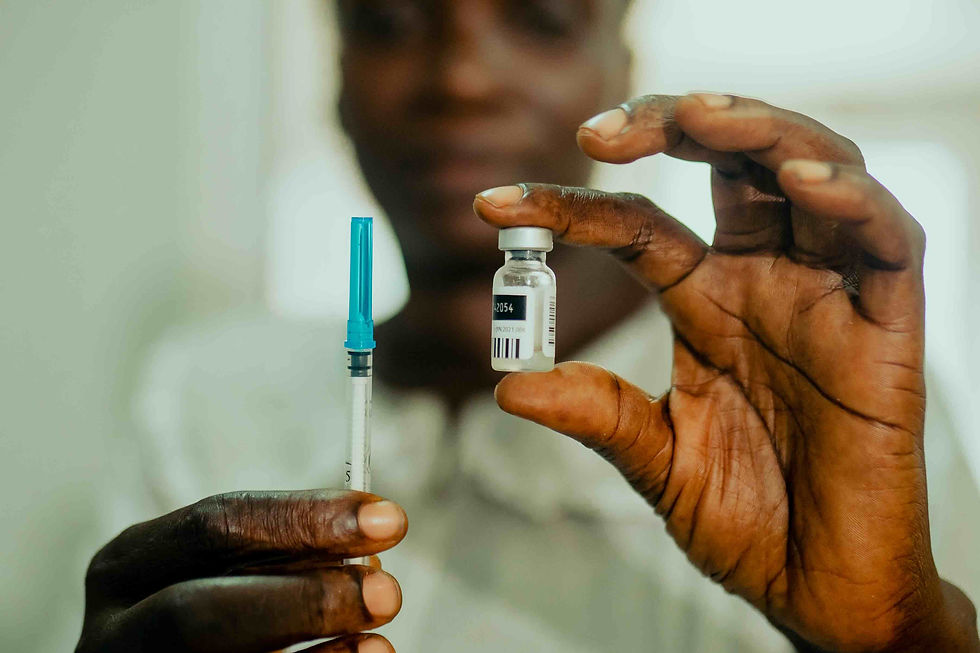
In September 2026, Gavi established a new global stockpile of mpox vaccines, with access coordinated by the International Coordinating Group on Vaccine Provision (ICG). The stockpile is designed to ensure timely and equitable access to mpox vaccines during outbreaks, when demand for vaccines is likely to be high.
Allocations will be managed through existing mechanisms organised by the ICG, which also manages emergency stockpiles of vaccines for cholera, Ebola, meningitis and yellow fever.
Technical experts from the ICG’s partners – WHO, UNICEF, the International Federation of Red Cross and Red Crescent Societies (IFRC) and Médecins Sans Frontières – assess requests against defined criteria to ensure that the proposed target population, vaccination strategy and number of doses requested are appropriate to the epidemiological situation, aiming to reach a decision within 48 hours.
Countries eligible for Gavi support will receive vaccines from the stockpile free of charge, and can also apply for funding to support implementation of vaccine campaigns. Other countries can gain immediate access to vaccine supplies in emergency situations but will have to reimburse the cost of the vaccines.